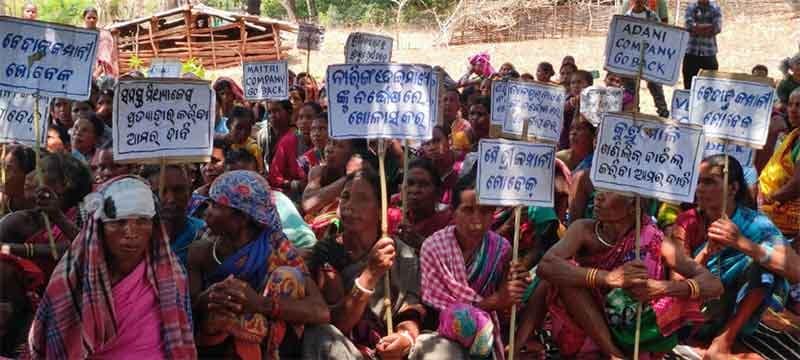
Deep in the forested hills of southern Odisha, a powerful movement is unfolding. Thousands of Adivasi families have come together to oppose a proposed bauxite mining project in the Sijimali Hills, saying they are fighting not just for land, but for their forests, water, culture, and way of life.
The protests, centred in the Rayagada and Koraput-Kalahandi region, have become one of India’s biggest tribal rights movements in recent months. At the heart of the dispute is a proposed bauxite mine linked to Vedanta Limited. Local Kui and Katiya Kondh tribal communities argue that the project threatens forests they depend on for food, water, livelihoods, and religious practices. They also claim that road construction linked to the project could pave the way for large-scale mining in the area.
Why are tribal communities protesting?
For generations, the Sijimali Hills have been home to indigenous communities who rely on the forests for farming, forest produce, medicinal plants, and drinking water. Many residents consider these hills sacred and say they are closely tied to their identity and traditions.
Protesters fear that mining could lead to deforestation, environmental damage, displacement, and the loss of traditional livelihoods. They have demanded that their rights under the Forest Rights Act and laws protecting tribal communities be fully respected before any project moves ahead.
Clashes and growing tensions:
The movement intensified after police and protesters clashed during road construction connected to the mining project. Several people, including police personnel and villagers, were reportedly injured, and arrests followed. Tribal organisations and civil society groups have alleged excessive use of force, while the administration has maintained that it was carrying out lawful duties to maintain order.
The incident has drawn attention from environmental groups, tribal rights activists, and political leaders, turning a local dispute into a national conversation about development and indigenous rights.
Development vs. tribal rights
Supporters of the project argue that mining can generate employment, improve infrastructure, and contribute to Odisha’s economy. The state has also said that the proposed road would improve connectivity for remote villages.
However, many local residents remain unconvinced. They believe that economic development should not come at the cost of forests, culture, or the rights of indigenous communities. They are demanding greater transparency, meaningful consultation, and respect for constitutional and legal protections.
A larger question for India:
The protests in Sijimali are about more than one mining project. They raise an important national question: Can India achieve economic growth while protecting the rights of its indigenous communities and conserving ecologically sensitive forests?
Finding that balance will require dialogue, transparency, environmental responsibility, and strict adherence to the law. As events continue to unfold, the outcome of the Sijimali movement could shape how future development projects are planned in tribal regions across the country.
The voices echoing through the forests of Odisha are asking not only for development, but for justice, dignity, and a meaningful role in decisions that affect their future.


About The Author