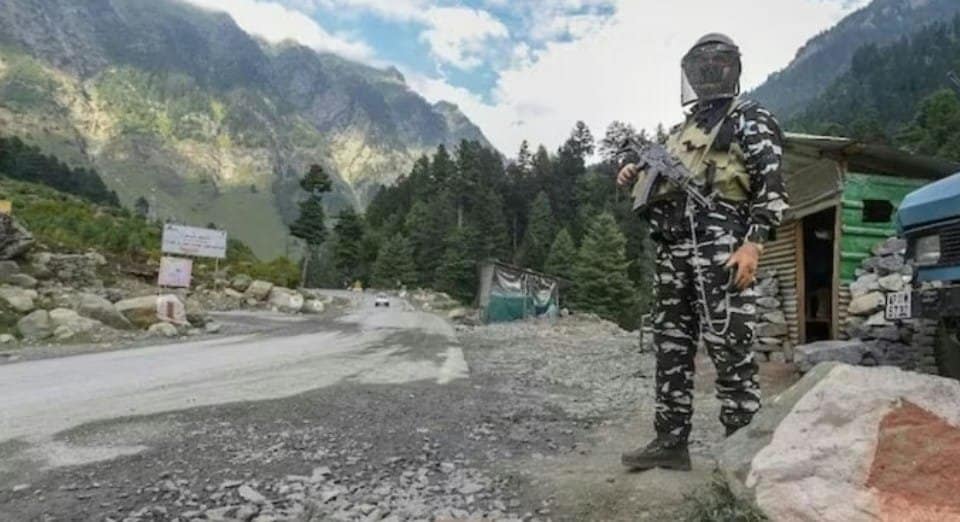
Fresh reports from Arunachal Pradesh have triggered a nationwide debate after allegations emerged that Chinese military activity had increased near the India–China border. While some local organisations claimed that Chinese forces had expanded their presence close to the frontier, the Indian Army has firmly rejected reports of any fresh encroachment or new PLA camps inside Indian territory. Yet the controversy has once again reminded Indians of one uncomfortable reality—the border with China remains one of the most sensitive flashpoints in Asia.
Arunachal Pradesh is not just another Indian state. It is India’s eastern shield. Home to strategic mountain passes, vibrant tribal communities, and the historic Tawang region, the state has long been at the centre of the India–China boundary dispute. China continues to claim almost the entire state as what it calls “South Tibet,” a claim that India has repeatedly and categorically rejected.
The latest controversy began after local groups raised concerns about alleged Chinese activity near remote border areas. These claims quickly spread across social media, leading to questions about whether China had entered Indian territory. In response, the Indian Army stated that reports of fresh PLA incursions were without factual basis and clarified that there had been no verified new encroachment. At the same time, the Arunachal Pradesh government said it would examine the allegations to establish the facts.
Although the reports remain disputed, satellite imagery and independent analyses continue to show China strengthening roads, infrastructure, and border settlements on its side of the Line of Actual Control. These developments have kept security experts on alert, as improved infrastructure can increase military mobility and influence the strategic balance along the frontier.
For India, Arunachal Pradesh is far more than a territorial issue. It is about sovereignty, national security, and the lives of thousands of citizens who live in some of the country’s most remote villages. Over the past few years, India has also accelerated road construction, bridges, advanced landing grounds, and border village development to improve connectivity and strengthen its presence in the region.
The larger challenge is that the India–China border remains undefined in many sectors. The absence of a mutually accepted boundary means that differing perceptions of the Line of Actual Control can lead to recurring tensions. Even when no verified incursion occurs, every report of military activity attracts national attention because of the region’s strategic importance.
The recent developments are therefore a reminder that vigilance is essential. Every allegation deserves careful verification, every official statement deserves scrutiny, and every development along the border deserves close monitoring.
As India continues to strengthen its border infrastructure and diplomatic engagement, one message remains clear: Arunachal Pradesh is an integral and inseparable part of India. Protecting its people, its borders, and its sovereignty will continue to remain one of the nation’s highest priorities.


About The Author