In a country that proudly calls itself the world’s largest democracy and celebrates equality in its Constitution, one question continues to haunt us: Is this really India in 2026?
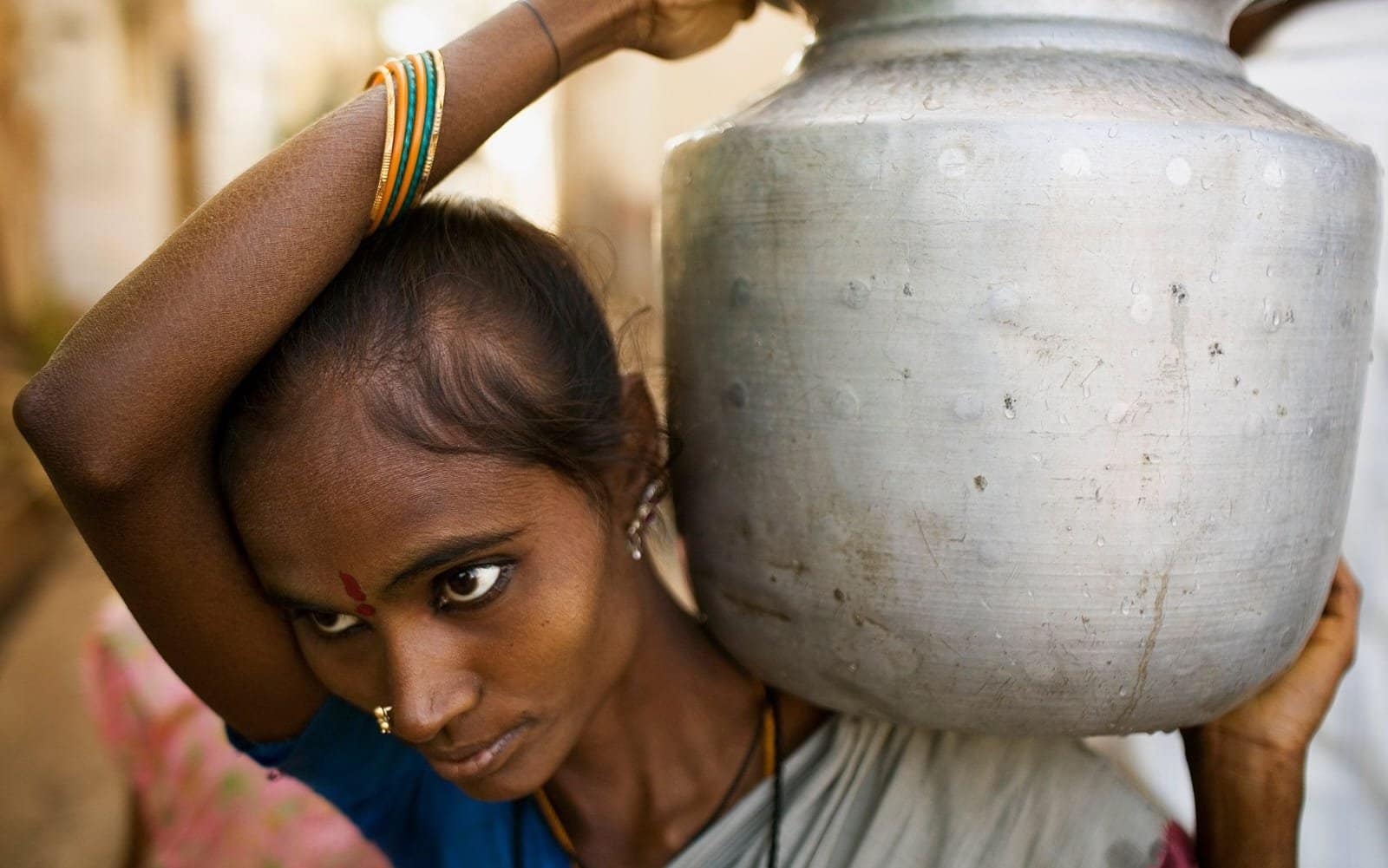
A disturbing interview from Shahjahanpur, Uttar Pradesh, has sparked outrage after Dalit residents, including Parmi Devi, alleged that they were denied access to a public hand pump simply because of their caste. According to their account, the discrimination did not stop at being refused water. They also alleged that they were threatened with death if they attempted to use the hand pump again. These allegations have shaken many people who believe such practices should have disappeared long ago.
If these allegations are true, the incident is not merely about water—it is about dignity, equality, and the right to live without fear. No individual should have to choose between thirst and the threat of violence because of the community into which they were born.
Water is not a privilege. It is a basic human necessity. Every citizen has an equal right to access public resources, regardless of caste, religion, gender, or economic background. The Constitution of India abolished untouchability decades ago and guarantees equality before the law. Yet incidents like this remind us that legal protections alone are not always enough if social discrimination continues to exist.
Imagine living in fear of collecting a bucket of water. Imagine being told that touching a public hand pump could cost you your life. These are allegations that deserve a thorough, impartial investigation. If found to be true, they would represent not only a violation of the law but also an assault on the values of humanity.
The questions this incident raises are uncomfortable but necessary.
Is this the India we want to build in 2026?
Is this how we treat fellow human beings in a nation that speaks of equality and development?
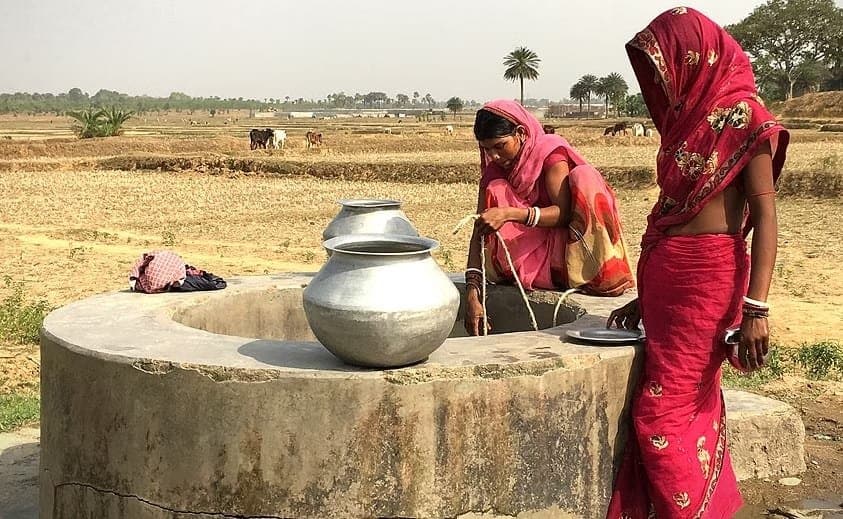
Economic progress, digital innovation, and infrastructure mean little if some citizens still have to fight for the most basic human necessities. Development is measured not only by highways and technology but also by whether every person can live with dignity and without discrimination.
The administration must ensure that the allegations are investigated fairly, that those responsible—if the claims are substantiated—are held accountable, and that every citizen has safe and equal access to public facilities. Justice should not depend on caste, status, or influence.
The story shared by Parmi Devi is a reminder that the fight against discrimination is not over. Whether these allegations are ultimately proven or disproven, they demand serious attention because no one should ever fear violence for drinking water.
A truly developed India will not be judged only by its economic growth or global standing. It will be judged by whether every child, every woman, and every family can drink from the same public hand pump without fear, humiliation, or discrimination.
About The Author