The Rajasthan Paramedical Council (RPMC) examination has come under the spotlight after an examination centre in Jaipur was cancelled following allegations of a paper leak and examination irregularities. The incident has sparked widespread concern among students, parents, and education authorities, raising fresh questions about the security and transparency of competitive examinations in the state.
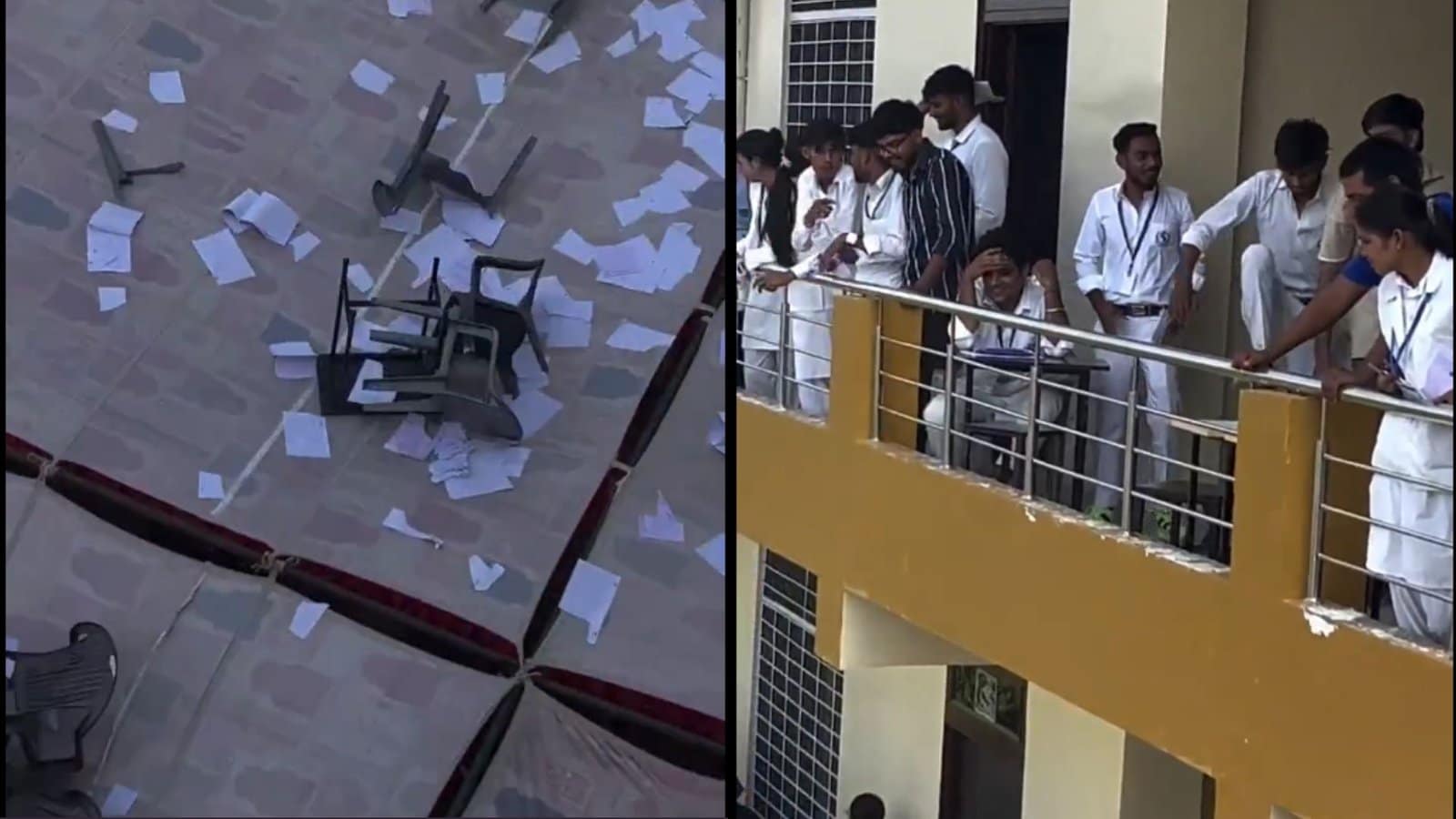
The controversy unfolded at Prabha Devi Memorial PG College in Jaipur, where candidates reported irregularities during the examination process. Many students claimed there were delays in the distribution of question papers, while allegations of a paper leak quickly spread, leading to protests at the examination centre. As confusion grew, authorities initiated an investigation into the matter.
During the investigation, Jaipur Police uncovered an alleged cheating racket and arrested four individuals suspected of being involved. According to officials, the accused allegedly accepted money from candidates by promising unfair assistance during the examination. Investigators also recovered mobile phones, important documents, candidate details, and financial records that may help establish the extent of the alleged malpractice.
Following these developments, the Rajasthan Paramedical Council cancelled the examination centre at Prabha Devi Memorial PG College. Examinations for several diploma courses scheduled at the centre were postponed until further notice to ensure that the examination process remains fair and credible.
The incident has once again highlighted the growing challenge of paper leaks and organised cheating in competitive examinations across India. Such cases not only undermine the credibility of examination authorities but also affect thousands of sincere students who spend months preparing honestly. Every paper leak damages public trust and creates uncertainty for deserving candidates.
Education experts have repeatedly stressed the need for stronger security measures, including encrypted question paper distribution, enhanced digital surveillance, strict verification procedures, and swift legal action against those involved in examination fraud. Strengthening these safeguards can help restore confidence in the examination system and ensure equal opportunities for all candidates.
RPMC #JaipurNews #PaperLeak #EducationNews #Rajasthan #ExamNews #StudentNews #CompetitiveExams #IndiaNews #CurrentAffairs #BreakingNews
About The Author