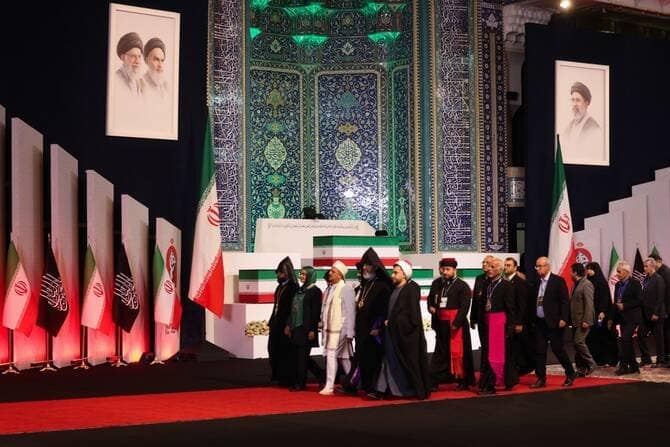
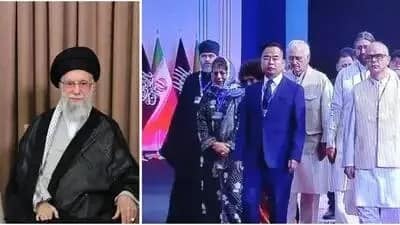
Iran has begun preparations for one of the most significant state ceremonies in its modern history as the funeral of former Supreme Leader Ayatollah Ali Khamenei gets underway. The multi-day event is expected to draw millions of mourners and senior political, military, and religious leaders from around the world, making it one of the largest public gatherings in the country’s recent history.
The funeral ceremonies are scheduled to take place from July 4 to July 9, 2026. The body of Ayatollah Khamenei will first lie in state in Tehran, allowing the public to pay their final respects. Following the ceremonies in the capital, the funeral procession will continue through the holy city of Qom before concluding in Mashhad, where Khamenei will be buried near the revered Imam Reza Shrine. The route reflects the religious and symbolic importance of these cities in Shia Islam.
Iranian authorities expect an enormous public turnout, with millions of people participating in the week-long mourning ceremonies. The government has deployed extensive security arrangements and logistical support to manage the crowds, while state media has described the funeral as a demonstration of national unity and resilience.
The ceremony is also expected to have a major international presence. According to official announcements, representatives from more than 100 countries have been invited. Senior officials from China, Russia, Pakistan, Iraq, and several other nations are expected to attend. China has confirmed that senior lawmaker He Wei will represent the country at the funeral. Reports also indicate that invitations have been extended to several Indian political leaders, including Mallikarjun Kharge, Salman Khurshid, and Pawan Khera.
The funeral comes during a period of heightened geopolitical tension following Khamenei’s reported death in a joint U.S.-Israeli strike earlier this year. For Iran, the ceremonies are not only a farewell to a long-serving leader but also a political event intended to project continuity, stability, and the country’s determination despite regional conflict. Analysts believe the funeral will be closely watched by governments across the world for signals about Iran’s future leadership and foreign policy direction.
Global media outlets are expected to closely follow the ceremonies, paying particular attention to the attendance of foreign delegations, public participation, and statements made by Iranian officials. The funeral is likely to become one of the most significant diplomatic and political events in the Middle East this year, with implications extending far beyond Iran’s borders.
Iran #AyatollahAliKhamenei #MiddleEast #WorldNews #IranPolitics #GlobalDiplomacy #BreakingNews #InternationalRelations #Tehran #CurrentAffairs


About The Author