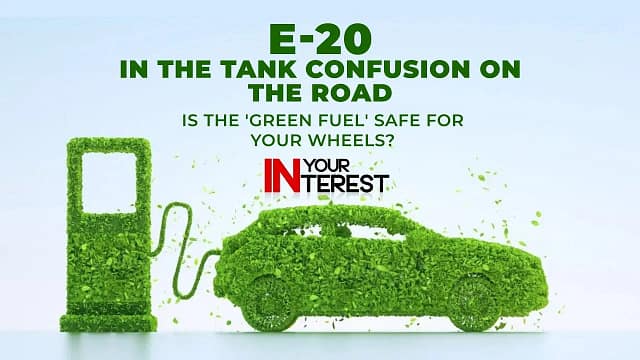
India is gradually transitioning towards cleaner and more sustainable fuels, and E20 petrol is at the centre of this change. E20 is a blend of 20% ethanol and 80% petrol, introduced under the Government of India’s Ethanol Blended Petrol (EBP) Programme. The initiative aims to reduce dependence on imported crude oil, improve energy security, lower carbon emissions, and create new income opportunities for farmers.
While the government views E20 as an important milestone in India’s clean energy journey, the policy has also sparked debates over vehicle performance, water consumption, and the environmental impact of large-scale ethanol production.
Why Is India Promoting E20 Petrol?
India imports a significant portion of the crude oil it consumes, making the country vulnerable to global oil price fluctuations. To address this challenge, the government has promoted ethanol blending as a renewable alternative to conventional petrol.
Apart from reducing crude oil imports, the E20 programme is expected to strengthen the domestic biofuel industry, support agricultural growth, and contribute to India’s long-term energy security. The policy has also encouraged major sugar mills and biofuel companies to expand ethanol production through new investments and modern distilleries.
Environmental Benefits and Challenges:
Ethanol is often described as a cleaner-burning fuel because it can help reduce certain emissions from vehicles. However, producing ethanol also comes with environmental challenges.
Modern ethanol plants use advanced technologies to recycle much of the water required during manufacturing. However, the cultivation of feedstock crops such as sugarcane and rice requires large amounts of water, raising concerns about groundwater depletion in water-stressed regions.
Environmental experts also highlight the need for proper wastewater treatment, pollution control, and sustainable farming practices to ensure that ethanol production remains environmentally responsible.
How Has E20 Affected Consumers?
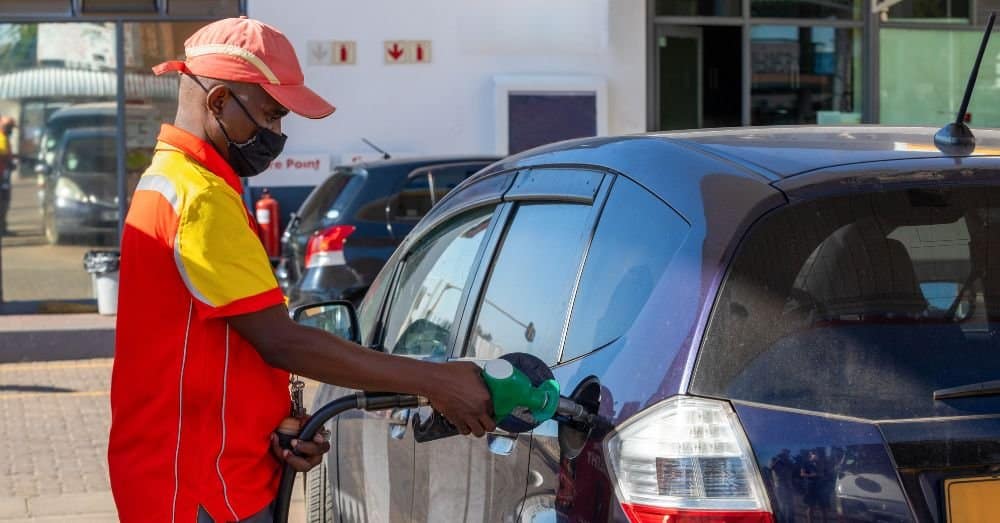
Many vehicle owners have shared mixed experiences after using E20 petrol. Some report slightly lower fuel efficiency, reduced pickup, or minor changes in engine performance. Since ethanol contains less energy than petrol, a modest reduction in mileage is generally expected.
Automobile manufacturers, however, maintain that vehicles certified as E20-compatible are designed to run safely on the fuel, although older vehicles may experience compatibility issues if they were not built for higher ethanol blends.
Clearing the Confusion Around Fuel Quality:
There has been considerable discussion on social media regarding fuel adulteration and ethanol blending. It is important to understand that government-approved E20 petrol follows strict fuel-quality standards and is different from illegal adulteration involving water or other contaminants. While isolated cases of fuel contamination may occur, they should not be confused with the official ethanol blending programme.
Looking Ahead:
India’s E20 initiative represents one of the country’s most significant biofuel reforms. It has the potential to reduce oil imports, strengthen energy security, support farmers, and promote cleaner transportation. At the same time, concerns about water use, environmental sustainability, and vehicle performance continue to be debated by experts and consumers alike.
The long-term success of the programme will depend on sustainable ethanol production, strong environmental regulations, continued technological improvements, and transparent scientific research. Balancing economic growth with environmental responsibility will be essential as India moves towards a cleaner energy future.


About The Author