From Jakarta to Rohini, the same trafficking playbook keeps resurfacing across Asia, and it rarely makes headlines unless a case turns high-profile
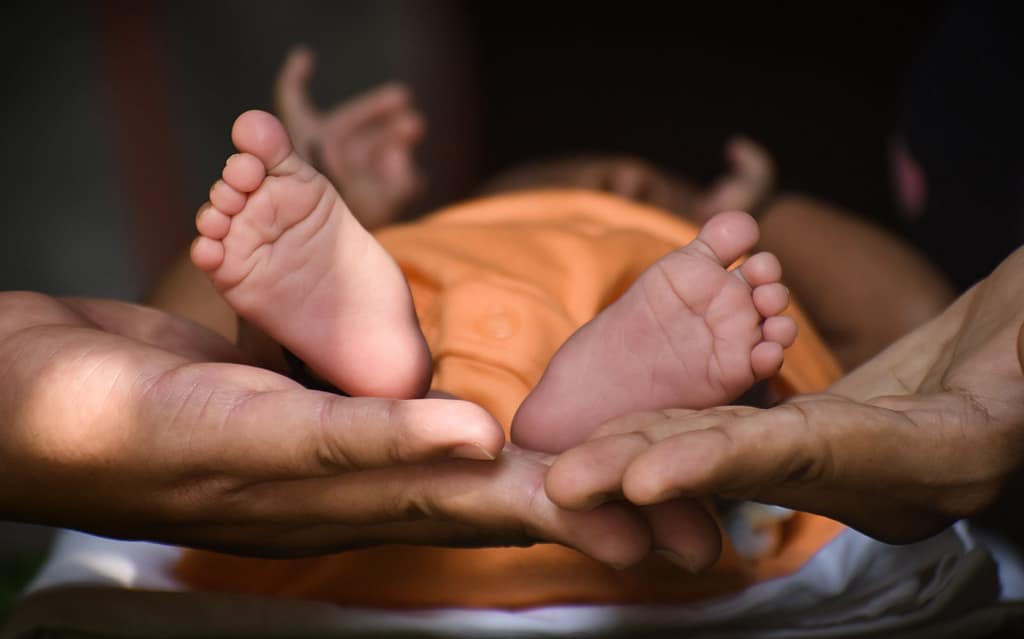
A Global Problem Hiding in Plain Sight
Child trafficking involving newborns is not new. It has been happening for years across Asia, often quietly, through informal adoption networks, desperate biological parents, and buyers willing to pay. What is striking is how similar these cases look no matter which country they surface in, and how little attention most of them get unless a case becomes big enough to force a headline. Two recent cases, one in Singapore and Indonesia, the other in Delhi, show exactly this pattern.
The Singapore Case: A Baby Bought Across Borders
In Singapore, at least 20 babies are alleged to have been illegally bought in Indonesia and brought in for adoption. Nineteen people are currently on trial in West Java, accused of purchasing children and forging documents to make the transactions look like legal adoptions. One alleged ringleader, Lie Siu Luan, has admitted supplying babies to Singaporean contacts who paid roughly 18,000 Singapore dollars per child, and prosecutors say she recruited brokers who scoured social media for parents willing to give up their newborns.
For adoptive parents like the couple identified only as David and Ally, the case has turned what should have been a happy ending into a nightmare. They were told, years after bringing their son Marcus home, that his citizenship application was suspended because he may have been trafficked. “The [officials] are the experts on this, to see whether this is legitimate,” Ally said, arguing that Singapore’s own adoption approval process should have caught this earlier. Singapore’s Ministry of Social and Family Development has said adoption agencies and adoptive parents both share responsibility for verifying a child’s origins, and has promised a review of its adoption process.
The Delhi Case: Newborns Sold Through a Hospital
A very similar pattern has surfaced in Delhi. Police busted a trafficking racket last month allegedly operating out of a hospital in Rohini’s Begampur area, rescuing seven newborns and arresting 15 people, including the hospital’s owner. Investigators believe the gang sold around 30 babies over two years, buying newborns from economically vulnerable families in Rajasthan and Gujarat for ₹1.5 to ₹2 lakh, then selling them to childless couples across north and west India for ₹3 to ₹7 lakh. The hospital allegedly disguised these sales as IVF births using forged medical records.
More than three weeks later, police still have not been able to trace the biological parents of most of the rescued babies. One investigating officer said hospital records gave no indication of where the infants had actually come from, which has made the search painfully slow. Investigators say they now have “strong leads” on one or two couples who may be the biological parents of two of the seven rescued children, but the rest remain unidentified.
Why Does This Pattern Keep Repeating?
In both Singapore and Delhi, the mechanics are strikingly alike: vulnerable biological parents who need money, brokers who exploit that need, forged paperwork designed to survive official scrutiny, and adoptive families who have no way of knowing they are part of a crime. In Indonesia, officials have pointed to poverty, lack of support for new mothers, and the stigma around children born outside marriage as some of the forces driving parents to sell their babies. Child rights activist Eko Kriswanto said children end up “being treated as commodities,” and that punishing traffickers alone will not fix the problem unless the root causes are addressed.
It raises an uncomfortable question: why does it take a headline-grabbing court case or dozens of arrests for these networks to get real attention, when officials in both countries suggest this has been going on for years, largely unnoticed?
About The Author