Prabhas Mondal, main accused in the alleged rape-murder of an 11-year-old girl, was shot dead by police during a crime scene reconstruction
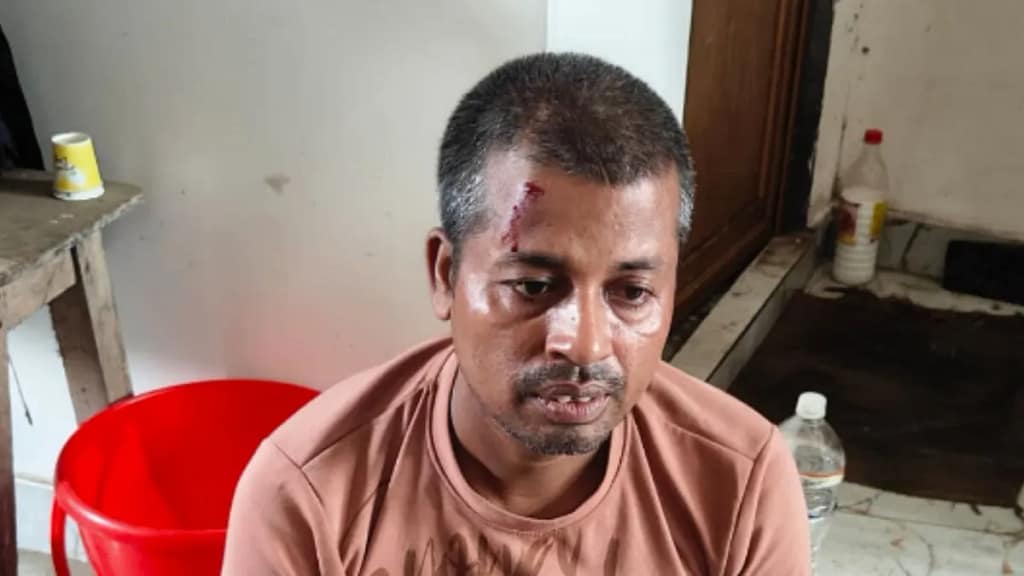
The Baruipur rape-murder case took a dramatic turn this week when Prabhas Mondal, the primary accused, was killed in what police describe as an encounter during a crime scene reconstruction. Authorities have called it self-defence, but the death of the key accused, before he could stand trial, has raised questions about how the case will now be examined.
What happened?
Police said Mondal was taken to Suryapur in Baruipur in the early hours of Wednesday, July 8, at around 12:45 a.m., to reconstruct the crime scene. According to their account, Mondal tried to snatch a firearm and escape, firing one round before officers retaliated. He was rushed to Baruipur Hospital with bullet injuries but was declared dead.
Mondal was one of three men arrested in connection with the case, alongside Ananda Sardar and Dibakar Sardar. He had reportedly been seen with the victim in CCTV footage before the alleged crime. A fourth accused, Kabir Molla, was arrested separately in Basirhat, taking the total number of arrests to four.
The girl’s case
The 11-year-old victim went missing on July 4, and her body was found stuffed in a sack in the Surjyapur Haat area the following day. The recovery triggered protests, with locals blocking roads, burning tyres, and damaging police vehicles while demanding arrests. In the chaos that followed, a man was beaten to death by an angry mob on mere suspicion of involvement. Bengal Chief Minister Suvendu Adhikari later said the man was innocent.
Reactions to the encounter
TMC MP Mahua Moitra criticised the police action, calling it evidence of “jungle law” in West Bengal in a post on X and questioning the state administration’s handling of the case.
Mondal’s mother, Sandhya Mondal, refused to claim her son’s body. She told The Telegraph that he had gotten what he deserved, and that she would not go to claim the body, nor would anyone else in the family. She also alleged that her son had long struggled with substance addiction and had never listened to her advice.
The encounter has closed one chapter of the case, but not the debate around it. Was this the truth, or only the police’s version of it? Would a trial have served justice better than a bullet? Was it bravery, or a convenient way out of a case that had already sparked outrage? For now, the answers died with the man who might have provided them.
About The Author