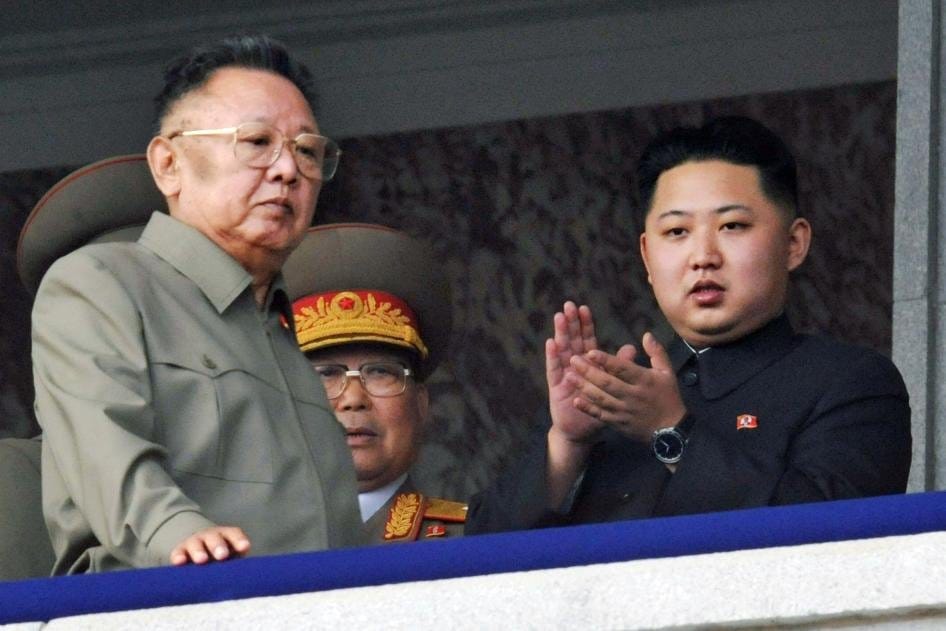
North Korea has long been regarded as one of the world’s most secretive nations. While many headlines focus on missile launches and nuclear weapons, the country has undergone significant changes over the past ten years under the leadership of Kim Jong Un. From ambitious construction projects and economic reforms to stronger diplomatic ties and technological advancements, North Korea today looks very different from what it did a decade ago
Despite facing international sanctions and economic challenges, the country has continued pursuing its own vision of development while strengthening its position on the global stage.
A Stronger Military and Nuclear Programme:
Over the last decade, North Korea has invested heavily in modernising its defence capabilities. It has tested advanced ballistic missiles, developed submarine-launched missiles, launched military reconnaissance satellites, and expanded its nuclear programme. These developments have increased tensions in East Asia and kept the country at the centre of global security discussions.
Infrastructure and Urban Development:
While much of the world’s attention has focused on defence, North Korea has also invested in infrastructure. New residential districts have been built in Pyongyang, along with hospitals, schools, factories, and public facilities. The government has promoted these projects as symbols of national development and self-reliance.
Large construction projects, including new housing complexes and tourist areas, have become a regular part of Kim Jong Un’s domestic agenda.
Economic Challenges and Reforms:
North Korea’s economy has faced severe pressure due to international sanctions, natural disasters, and the COVID-19 pandemic. During the pandemic, the country closed its borders for several years, severely affecting trade.
In recent years, the government has gradually reopened trade, particularly with China and Russia, while introducing new economic plans aimed at increasing industrial production, agriculture, and infrastructure development. Although progress remains limited, these efforts reflect the country’s attempt to stabilise its economy.
Growing Ties with Russia and China:
One of the biggest changes in recent years has been North Korea’s strengthening relationship with Russia. The two countries have expanded political, economic, and military cooperation, while China continues to remain North Korea’s largest trading partner and an important diplomatic ally.
These partnerships have helped reduce North Korea’s international isolation and increased its geopolitical importance.
Advances in Science and Technology:
North Korea has also invested in space and technology programmes. In recent years, it has launched military reconnaissance satellites and continued developing cyber capabilities. Experts believe cyber operations have become an important part of the country’s strategy, allowing it to strengthen its technological reach despite economic restrictions.
Tourism and International Image:
The government has also attempted to develop tourism by investing in new coastal resorts and modern recreational facilities. Although international tourism remains limited, officials view the sector as a potential source of future revenue if diplomatic conditions improve.
At the same time, North Korea continues to face criticism from international organisations over human rights, restrictions on freedom of expression, and limited access to independent information.
What Does the Future Hold?
Looking ahead, North Korea is expected to continue focusing on military modernisation, infrastructure development, technological innovation, and stronger cooperation with Russia and China. However, economic sanctions, food security concerns, and limited foreign investment remain major challenges.
Much will depend on future diplomatic relations with neighbouring countries and the international community. Any improvement in relations could open new opportunities for trade, tourism, and economic growth, while continued tensions may keep the country isolated.
Conclusion
Over the past decade, North Korea has changed in many ways. While its military programme continues to dominate international headlines, the country has also invested in infrastructure, technology, economic planning, and strategic partnerships. These developments have reshaped North Korea’s role in global politics and made it one of the world’s most closely watched nations.
Whether the next decade brings greater cooperation or continued confrontation remains uncertain. What is clear, however, is that North Korea is evolving—and its decisions will continue to influence regional and global affairs for years to come.
About The Author